move more
Replacing inactive time with physical activity of any intensity, while getting enough sleep, has health benefits.
Australia's 24-hour Movement Guidelines recommend that adults aim to get several hours of light-intensity physical activity each day.
How intense is my activity?
Exercise intensity can be split into three categories: light, moderate and vigorous-intensity. This can include play, exercise and chores.
Source: World Obesity Federation
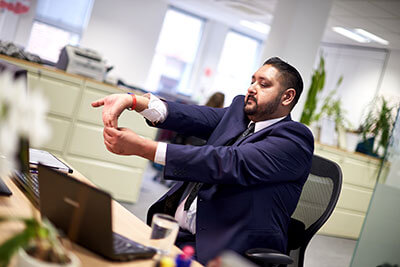
Light-intensity activity
Light-intensity activity involves a slightly higher level of energy than your resting state. If you're doing light-intensity activity you'll be able to talk normally and your breathing rate won't increase. Examples include light stretching and walking at a slow pace.
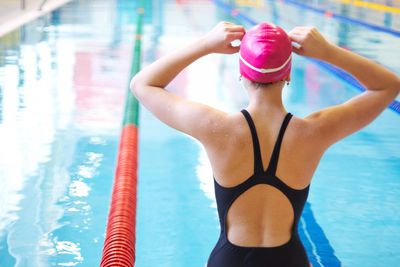
Moderate-intensity activity
Moderate-intensity exercises include brisk walking, leisurely swimming or bike riding, sports where a proportion of the time is spent standing around like cricket or volleyball and active housework like vacumming. Strength exercises like using free weights, own body weight exercises, yoga, pilates, rock climbing and carrying groceries or kids also count. If you're doing moderate-intensity exercise you'll be able to comfortably chat, but you won't be able to sing more than a few words without running out of breath.
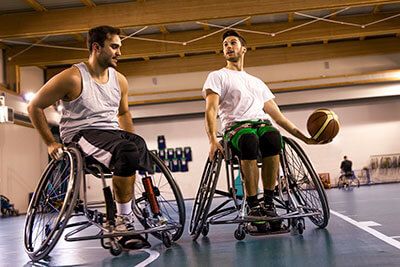
Vigorous-intensity activity
Vigorous-intensity exercises include activities like circuit training, running or sprinting, walking up stairs or hills, highly-active sports like AFL, netball, soccer or tennis, vigorous forms of gym cardio (think the rowing machine or skipping) and moderate-intensity exercises performed more vigorously e.g. swimming for exercise, cycling fast or interval training. If you're doing vigorous-intensity activity you won't be able to say more than a few words without having to pause to breathe.
How can I get moving?
There are plenty of ways you can adapt your routine to move more.
- Take the stairs instead of the elevator to get your heart pumping before settling into your chair.
- Eat lunch away from your work space and squeeze in a 10-minute walk. Better yet, get a group involved and enjoy being active together.
- Deliver messages in person to colleagues rather than sending an email.
- At the start of the meeting or as an agenda item let people know it is ok to stand and stretch within the meeting space whenever they need to.
- Are standing, treadmill or cycling desks an option? Talk to your HR department to find out.
- Schedule walking meetings.
- Use the bathrooms on a different level, and take the stairs to get there.
- Walking, cycling, running or taking public transport to work or school gives you the opportunity to get some scheduled exercise into each day. It's also good for the environment. Find out if your workplace offers end-of-trip facilities (like a shower and bike rack) that you can make use of - if not ask why not!
- If you have to drive, park further away from your destination and walk the rest of the way.
- Walk to the furthest ticket machine to get a few more steps into your day.
- Ask HR about providing public transport passes for short business trips.
- The key to staying active is finding an exercise you enjoy. This can be an organised sport, rock climbing, gym class, running, or simply taking a walk at the park or along the coast.
- Rope a friend into your exercise plans to help you keep motivated.
- Use technology to support your exercise goals. Create a motivating playlist, keep track of your steps via a fitness tracker or find an app that helps you move more.
- If you spend a lot of time in front of the television, try doing some light stretches/ yoga, hula hooping, skipping rope or hopping on an exercise bike while watching your favourite shows.
- Walk the dog after breakfast in the morning, or after dinner at night.
- Get outdoors for lunch or dinner on the weekend. Don't forget your hat, sunscreen and sunglasses!
- Play backyard cricket, go cycling, bounce on the trampoline or enjoy the playground at the local park.
- House tasks like gardening, cooking and vacuuming all count as physical activity – get your house in order while moving more!
Why be physically active?
While being physically active plays a role in maintaining a healthy weight, the benefits extend well beyond this. Moving more can help you:
- Get fitter
- Do everyday tasks with ease
- Improve your mood
- Have more energy
- Sleep better
- Reduce your risk of heart disease, type 2 diabetes, cancer and other chronic diseases
Did you know?
Climbing stairs is a similar intensity to cycling or jogging, which use around eight times the amount of energy the body uses when resting or sleeping!
Cycling
Whether you're taking your bike out for a Sunday ride, or using it to get to work in the morning, bike riding is a great way to get around.
Learning some basic bike maintenance is a good life skill that will save you money and increase the life of your bike. Take a look at the Department of Transport (WA)'s 'Bike Maintenance' and 'Choosing a Bike' links below.