How do fruit and veg prices compare across stores in Perth?
by Guest Author,
- September 23, 2025
- Leave a comment
by Georgia Richardson, student dietitian Edith Cowan University (2025)
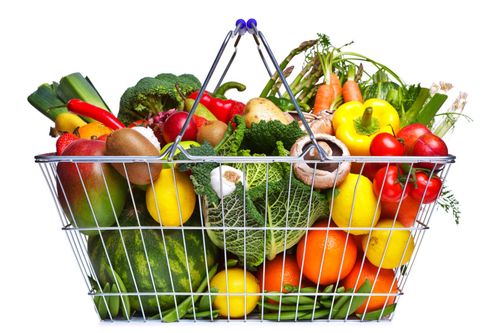
The benefits of eating more fruits and vegetables are well known – they contribute to health and can help reduce our risk of chronic disease. It’s also well documented that the majority of Australians don’t have enough in their diet, with only 6.5 per cent of adults eating the recommended serves of vegetables and 44 per cent eating enough fruit. We know we should be eating more fruit and veg, but the reality is they can get expensive, which makes it challenging to eat enough of them.
Inflation and the increased cost of living have been trending issues for the past several years, and unfortunately grocery prices are not immune to these rises. Did you know that between 2022-23 average grocery prices increased at twice the rate of wage growth? So it makes sense that your grocery shop feels more expensive, because our income isn’t increasing at the same rapid pace that grocery prices are. This means the cost of groceries is making up a larger portion of our incomes. This can make it very challenging when you’re trying to eat more fruit and vegetables but they’re becoming less affordable and accessible.
Something you may have noticed is that the cost of fresh produce varies depending on where you shop. To look further into this issue, we decided to investigate the cost of fruit and vegetables across different retailers in Perth.
What we did
Eight fruits and eight vegetables were included based on which are most commonly eaten by Australian households (we used data on fruit and vegetables from Fresh Logic) and the most commonly grown crops in WA. All items selected were Australian grown.
Retailers in suburbs across different socioeconomic indexes were included. Pricing data was collected from seven types of retailers across a total of 24 individual stores or farmers markets.
Data was collected in store over a two-week period in June 2025. Each item was measured as cost per kilogram. When items were sold per unit, they were weighed to determine the cost per kilogram. When multiple options of the item were available in terms of variety (e.g. brown or red onions) or packaging (i.e. loose or pre-packed and different sizing options for pre-packaged items), the cheapest option available was selected for data collection. Items on special were included, and the special price was used in the data analysis.
Retailers
Aldi
Coles
Farmers markets
IGA
Independent grocers
Spudshed
Woolworths
Produce items
Fruit
Apples
Avocados
Bananas
Oranges
Pears
Mandarins
Strawberries
Watermelon
Vegetables
Broccoli
Capsicum
Carrots
Cucumber
Onion
Mushrooms
Potatoes
Tomatoes
What we found
Most affordable fruits and vegetables
The average cost per kg across all produce items was $5.98 for vegetables and $6.57 for fruit. Watermelon on average was the cheapest fruit, followed by oranges and bananas. Carrots on average were the cheapest vegetable, followed by potatoes and onions.
|
Vegetable |
Cost per kg |
|
|---|---|---|
|
|
Average |
Range |
|
Carrots |
$1.47 |
$0.79-$2.90 |
|
Potatoes |
$2.00 |
$0.99-$5.00 |
|
Onion |
$2.42 |
$1.24-$6.90 |
|
Cucumber |
$6.19 |
$2.47-$12.47 |
|
Broccoli |
$7.38 |
$5.99-$14.50 |
|
Tomatoes |
$7.77 |
$2.49-$14.00 |
|
Capsicum |
$7.42 |
$2.99-$12.99 |
|
Mushrooms |
$13.40 |
$11.98-$19.96 |
|
All veg |
$5.98 |
$0.79-$19.96 |
|
Fruit |
Cost per kg |
|
|---|---|---|
|
|
Average |
Range |
|
Watermelon |
$2.63 |
$1.99-$3.99 |
|
Oranges |
$3.32 |
$1.67-$7.99 |
|
Bananas |
$4.16 |
$0.99-$6.53 |
|
Mandarins |
$4.19 |
$2.99-$5.99 |
|
Apples |
$4.28 |
$1.99-$5.99 |
|
Pears |
$5.54 |
$2.99-$10.99 |
|
Avocados |
$8.76 |
$4.99-$15.96 |
|
Strawberries |
$21.89 |
$13.98-$31.96 |
|
All fruit |
$6.57 |
$0.99-$31.96 |
Some items were cheaper to buy pre-packaged while others were cheaper when purchased loose.
Cheaper to buy pre-packaged
Onions
Potatoes
Carrots
Cheaper to buy loose
Mushrooms
Bananas
Pears
For some produce items where multiple variants were available, one variant was consistently cheaper than others:
- Potatoes – white
- Onions – brown
- Capsicums – Green
Most affordable retailers
The Australian Guide to Healthy Eating recommends that children over nine years and adults eat two serves of fruit and at least five serves of vegetables per day, where one serve of fruit is 150 g and one serve of vegetables is 75 g. The cost to buy the recommended fruit and vegetable serves for one week for a family of four was $118.01 on average across all retailers. However, there was a $55 difference in this cost between the least and most expensive retailers.
|
Retailer |
Cost to purchase recommended serves of fruits and vegetables for a family of four for one week |
|
|---|---|---|
|
|
Average |
Range |
|
Spudshed |
$89.74 |
$85.09-$94.36 |
|
Independent grocers |
$104.23 |
$103.95-$106.68 |
|
Aldi |
$109.72 |
$106.42-$112.71 |
|
Woolworths |
$120.11 |
$110.11-$127.49 |
|
Coles |
$127.81 |
$123.05-$134.09 |
|
Farmers markets |
$133.62 |
$106.44-$155.51 |
|
IGA |
$140.37 |
$123.36-$157.38 |
Spudshed was the cheapest retailer, and it has the advantage of being open 24/7. But with only 14 stores in Perth, this may not be an accessible option for everyone, and there were variations in prices found in the stores that we included in our analysis. Independent grocers, however, were the second most affordable option, they are available in the majority of shopping centres, and had the smallest variation in prices. So in terms of accessibility and price consistency, independent grocers were found to be the best option.
Farmers markets had the largest variation in prices. This is likely to be due to the variation in the types of produce available, with some farmers markets offering more expensive organic produce. So depending on the types of produce available in farmers markets in your local area, these can be cost effective and are a great way to support local farmers.
Tips to help you reduce costs when grocery shopping
1. Consider shopping at independent grocers
If you do your grocery shop at a shopping centre, these are usually near the supermarkets which can make it easy to do your fruit and vegetable shop at the grocer and then get the rest of your groceries at the supermarket.
2. Buy in bulk
If you have the storage space, buying onions, potatoes and carrots in bulk packaging are overall the cheaper options.
3. Buy produce in season and make the most of items on special
4. Consider shelf life and storage
Buying in bulk is only cheaper if you use it up before it goes bad! Check out our storage tips below.
|
Item |
Strategies for storage and extending shelf life |
|---|---|
|
Bananas |
Refrigerate once ripe to extend shelf life. This will cause the skin to blacken however will not affect the quality of the inside fruit. |
|
Apples |
Refrigerate if they have been at room temperature for over 7 days to maintain flavour and texture. Once cut, brush with lemon juice to prevent browning. |
|
Strawberries |
Refrigerate. Avoid washing until ready to use. |
|
Mandarins |
Refrigerate if they have been at room temperature for over a week to prevent shriveling and loss of flavour. |
|
Oranges |
Refrigerate if they have been at room temperature for over a week to maintain flavour. |
|
Pears |
Refrigerate once ripened. |
|
Avocados |
Refrigerate avocados once ripe in a plastic bag. If half is used, retain pip and other half of skin. Brush avocado with lemon juice to prevent browning and close with other half of skin, and cover with cling film. |
|
Watermelon |
Buy in bulk and freeze cut up watermelon to extend lifespan. |
|
Carrots |
Refrigerate in a plastic bag to extend shelf life. Storing in water can prevent wilting. |
|
Tomatoes |
Refrigerate once ripened. Frozen is best used in cooked dishes due to the mushy texture once thawed. |
|
Potatoes |
Store separately from onions as onions release ethylene which will cause them to rot faster. If they have sprouts, they are still okay to eat as long as they are firm. Can be stored for 3-4 months in a cool dark place. |
|
Onion |
Store separately from potatoes as the moisture content of the potatoes will cause them to rot faster. Can be stored for 3-4 months in a cool dark place. |
|
Mushrooms |
Purchase loose in a brown paper bag and refrigerate. Plastic packaging causes mushrooms to sweat which will shorten their shelf life. |
|
Capsicum |
Refrigerate for 1-2 weeks. Green capsicums generally last longer than yellow and red capsicums. |
|
Broccoli |
Refrigerate. Blanche broccoli before freezing (boil for 3 minutes then drain and transfer to ice water) |
|
Cucumber |
Refrigerate. Avoid freezing as this will alter the texture when thawed. |
For more information see our A to Z of fruit and vegetables booklet.
LiveLighter supports future health professionals through engagement with Australian Universities. This student blog was created for LiveLighter as part of the Public Health and Nutrition Placement (Master of Nutrition and Dietetics at Edith Cowan University, Western Australia) in 2025.