Who are Men’s Sheds of WA?
by Guest Author,
- June 8, 2026
- Leave a comment
- WA
- Wellness
- Men's Health
- Women's Health
- Budget Friendly
- Things To Do
- Mental Health
- LiveLighter Partners
Men’s Sheds of WA is the peak body that represents and supports sheds throughout Western Australia. They exist for the mutual benefit, success and support of member Sheds and to facilitate public access to those Sheds. Their goal is to continue to build the Men’s Sheds movement in WA, ensuring their sustainability. They aim to do this by connecting existing Sheds, helping to start new ones, and raising awareness of their many benefits to social, physical, and emotional health.
Men's Sheds have become essential community hubs in WA, offering preventative mental health support. Social isolation and loneliness are widespread issues that significantly affect individuals' quality of life and longevity. By providing a space for men to connect, share skills, and participate in meaningful activities, Men's Sheds play a crucial role in enhancing mental wellbeing and fostering a sense of belonging. As the Shed movement continues to grow, we are now seeing Women’s Sheds and Community Sheds delivering these same benefits.
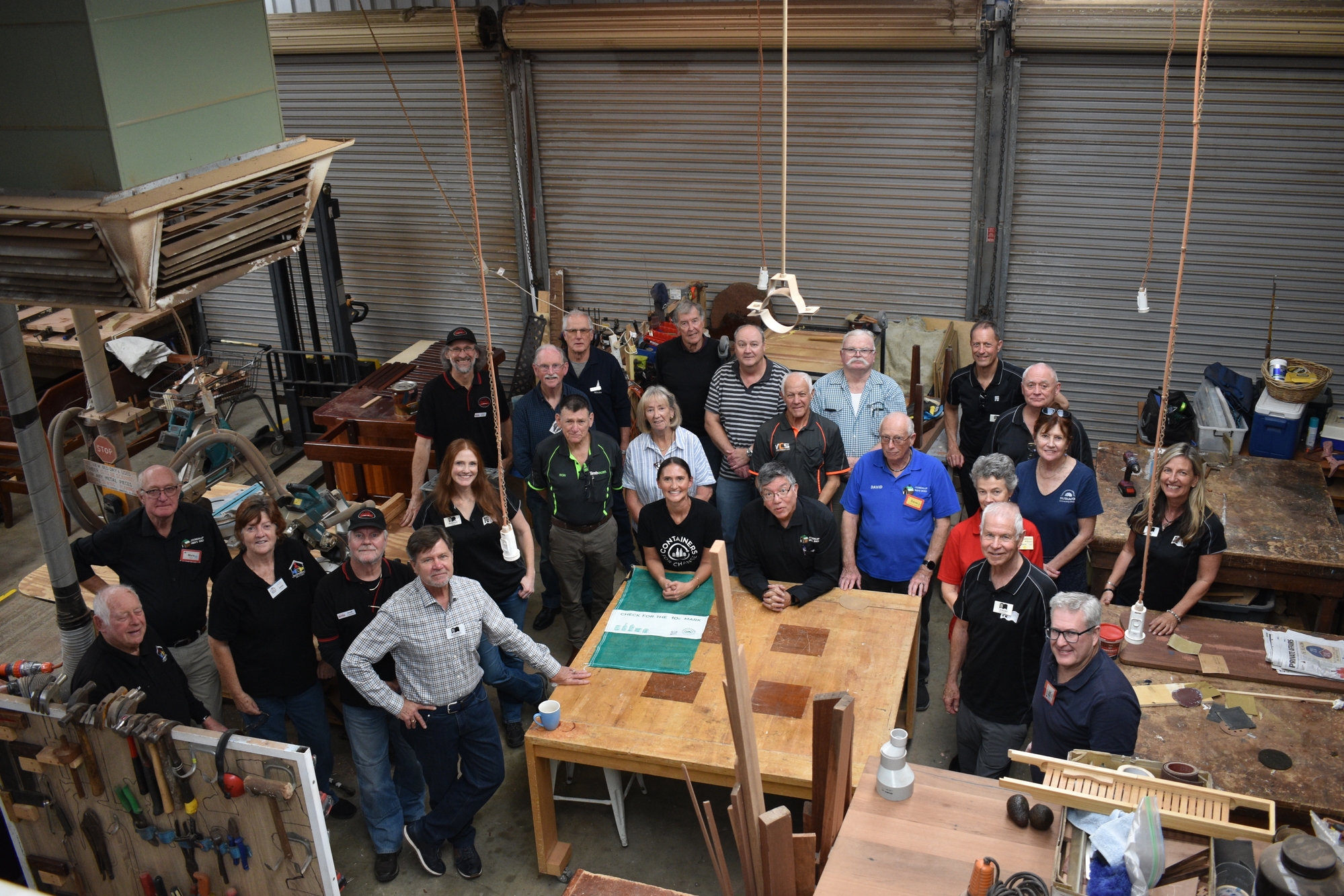
A recent survey of Men’s Sheds of WA leaders identified that:
- 70%+ felt that their Shed had prevented a member from dying by suicide
- 90%+ of Sheds held a health-related event in the past 12 months
- 60%+ of Sheds have a dedicated wellbeing and health officer (WHO) – a volunteer, or team of volunteers, working to support other Shed members.
The two most significant factors influencing longevity and health are social integration and receiving social support*. These factors were shown to have a greater impact on health than more commonly recognised indicators like smoking, exercise, obesity, or alcohol consumption. This highlights the vital role organisations like Men’s Sheds play in fostering social connections, directly influencing people’s ability to live longer, healthier, and happier lives.
If you are interested in joining a Men’s Shed, you can find your local Shed on the Men’s Sheds of WA website.
*Meta analysis of 148 studies involving 300,000 participants - Holt-Lunstad et al, 2010, PloS Med